Guide · General
7 Best Web Hosting Plans in 2026, Compared by Renewal Cost
Compare the best web hosting plans by renewal price, backups and limits. Seven shared and managed hosts, with 2026 pricing notes and what each plan includes.
By the Rankozo research desk · Updated November 6, 2026 · 11 min read

The intro price is rarely the price a business keeps paying. Promotional hosting rates can rise by roughly 150 to 200% at renewal, according to VistaPrint's 2025 hosting-cost guide. A cheap launch offer can therefore become a poor long-term purchase, particularly when backups, email and domain renewals are billed separately.
Rankozo's web hosting comparison uses entry-level shared hosting plans taken from each host's US pricing page on November 4, 2026. Its multi-year method adds the published introductory price for the contracted term, then the published renewal rate for subsequent years. However, a complete set of dated vendor renewal quotes isn't available for every option below, so unverified prices remain unquoted rather than guessed. Historical comparison prices carry their own source dates and aren't presented as November checkout quotes.
The best web hosting plans combine an affordable continuing bill with the limits a site can operate within. The following editorial order weighs that fit, but it isn't a verified cheapest-to-most-expensive renewal ranking where prices are missing.
Buying rule: Compare the money committed at checkout and the cost of staying, not just the advertised monthly equivalent.
Table of Contents
- 1. Hostinger
- 2. DreamHost
- 3. Namecheap
- 4. InMotion Hosting
- 5. SiteGround
- 6. Bluehost
- 7. WordPress.com
- Entry plan features, backups and renewal terms for seven web hosts
- Choose the Plan You Will Still Pay for in Year Three
1. Hostinger
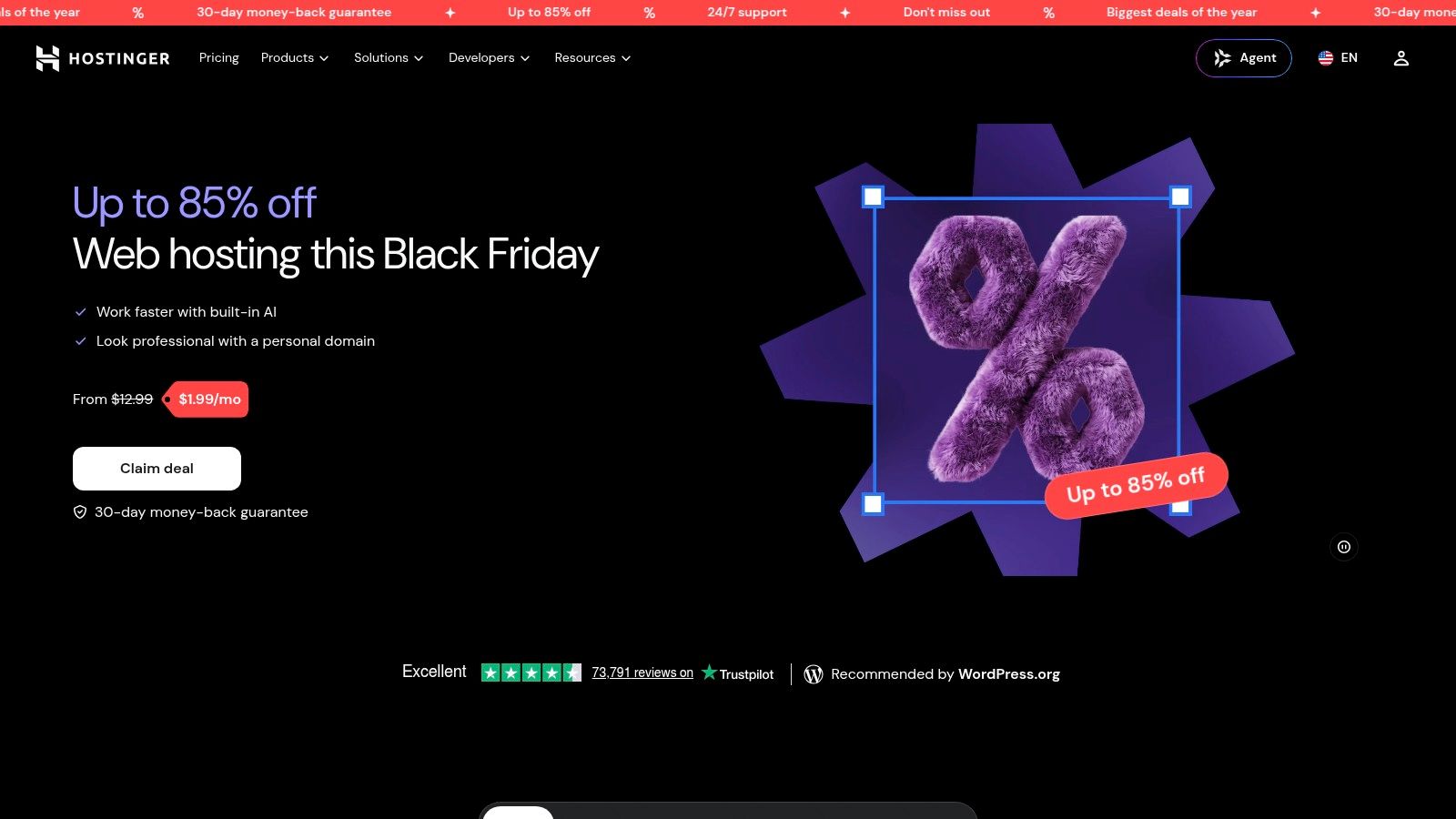
The upfront commitment is Hostinger's main cost constraint. WebZum's 2026 comparison lists Hostinger Premium at $2.49 per month with 48 months prepaid, or $119.52 initially; it doesn't state an exact checking date. That is a dated reference price, not a verified November quote, and the available evidence doesn't establish the corresponding renewal bill.
A business expecting to keep its site for a shorter period must still account for the whole prepaid purchase. Allocating only the months used to a budget understates the cash required unless the unused balance is demonstrably recoverable.
Hostinger's web hosting offer combines website-building tools, WordPress support and a route into cloud hosting. Listed plans also bundle domain, SSL and CDN benefits, although buyers need to distinguish plan-wide inclusions from benefits that expire.
The Limit That Changes the Math
Backup frequency matters more than the builder bundle for a frequently updated site. Premium lists weekly backups, while Unlimited and Cloud Startup list daily backups. A business publishing regularly or collecting transactions should price the tier that matches its recovery needs, rather than assuming the cheapest tier is sufficient.
- Included value: Website-building tools can reduce the need to purchase a separate builder.
- Continuing expense: Some email benefits are introductory rather than permanent.
- Upgrade exposure: A move into cloud hosting creates a different ongoing budget, even within the same account.
For broader category context, the web hosting statistics guide helps distinguish hosting types. Hostinger belongs on a small-business shortlist when the bundle replaces other purchases, but a low promotional equivalent alone doesn't establish low renewal cost.
2. DreamHost
DreamHost's continuing cost remains unverified in this comparison. Its published renewal amount, email charges after the trial and selected billing term must all be included before it can be ranked against a fully priced alternative. A missing quote isn't evidence that the plan is expensive, but it prevents a defensible lowest-cost claim.
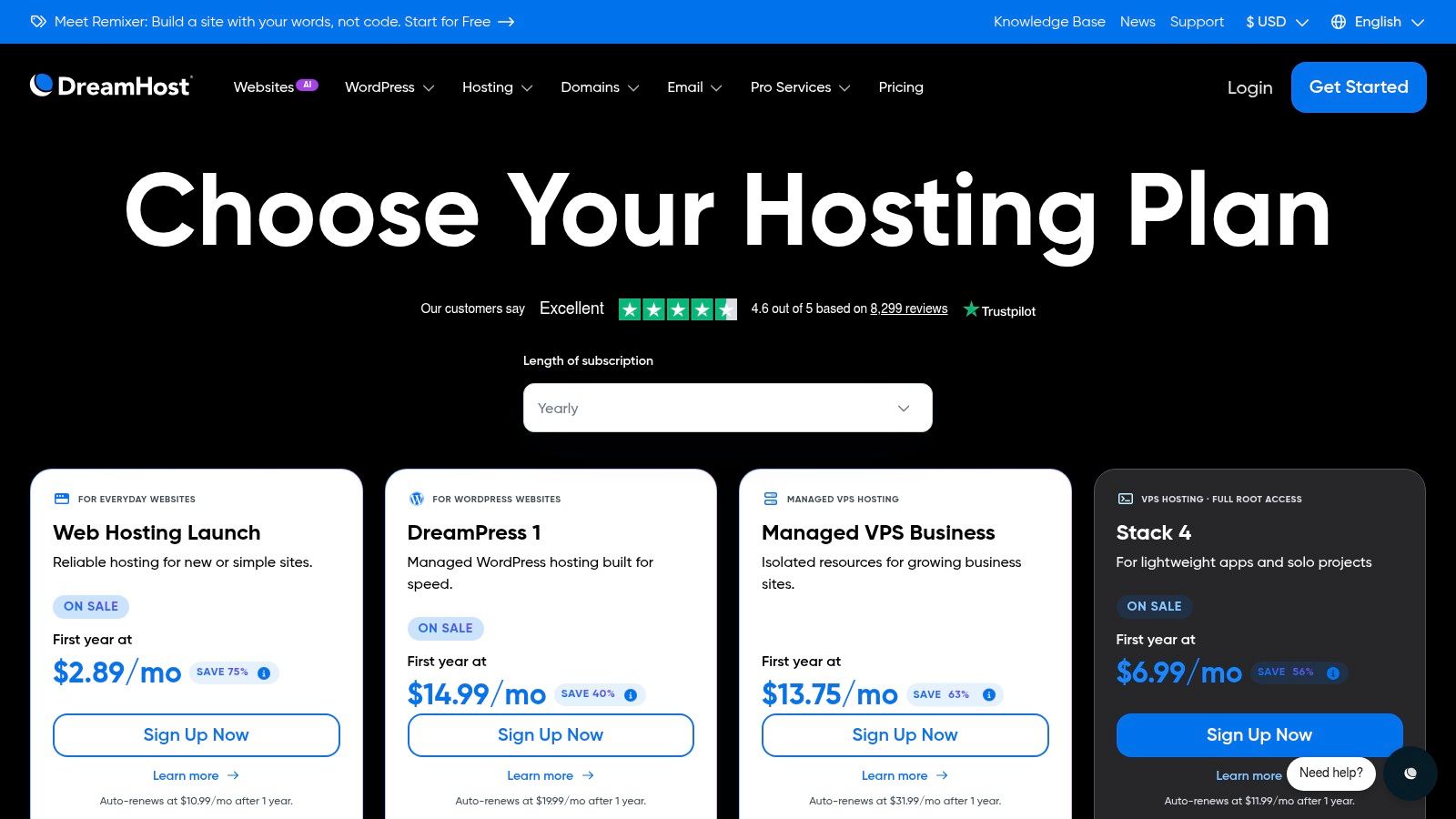
The DreamHost hosting range includes shared hosting alongside separate managed WordPress and VPS services. Shared plans list NVMe storage, unmetered bandwidth and automated backups, while eligible Launch terms include a website builder and introductory domain registration.
That range provides an upgrade route, not a promise that the entry plan will suit every workload. A brochure site and a logged-in membership application can require very different amounts of server processing, even when their storage requirements look similar.
Price Email Beyond the Trial
The email trial is the most immediate budget adjustment. A business that needs permanent branded mailboxes should treat email as a continuing requirement rather than an introductory inclusion. Otherwise, the hosting comparison understates the cost of the working setup.
A hosting bundle should be priced after temporary benefits expire. A trial mailbox isn't a permanent email allowance.
DreamHost's displayed promotional and renewal pricing makes the distinction between acquisition cost and continuing cost easier to inspect. Procurement should preserve both amounts with the chosen term, then add any recurring mailbox expense.
DreamHost is a reasonable candidate for buyers who want shared hosting now and a choice of more managed or isolated services later. Its position depends on the complete renewal quote, not on the number of hosting categories it offers.
3. Namecheap
Namecheap's lowest workable cost depends on whether Stellar includes enough capacity and recovery protection. A verified November renewal quote isn't established here, so no precise ongoing price is assigned. The important comparison is between the entry plan as purchased and the higher tier a business might need.
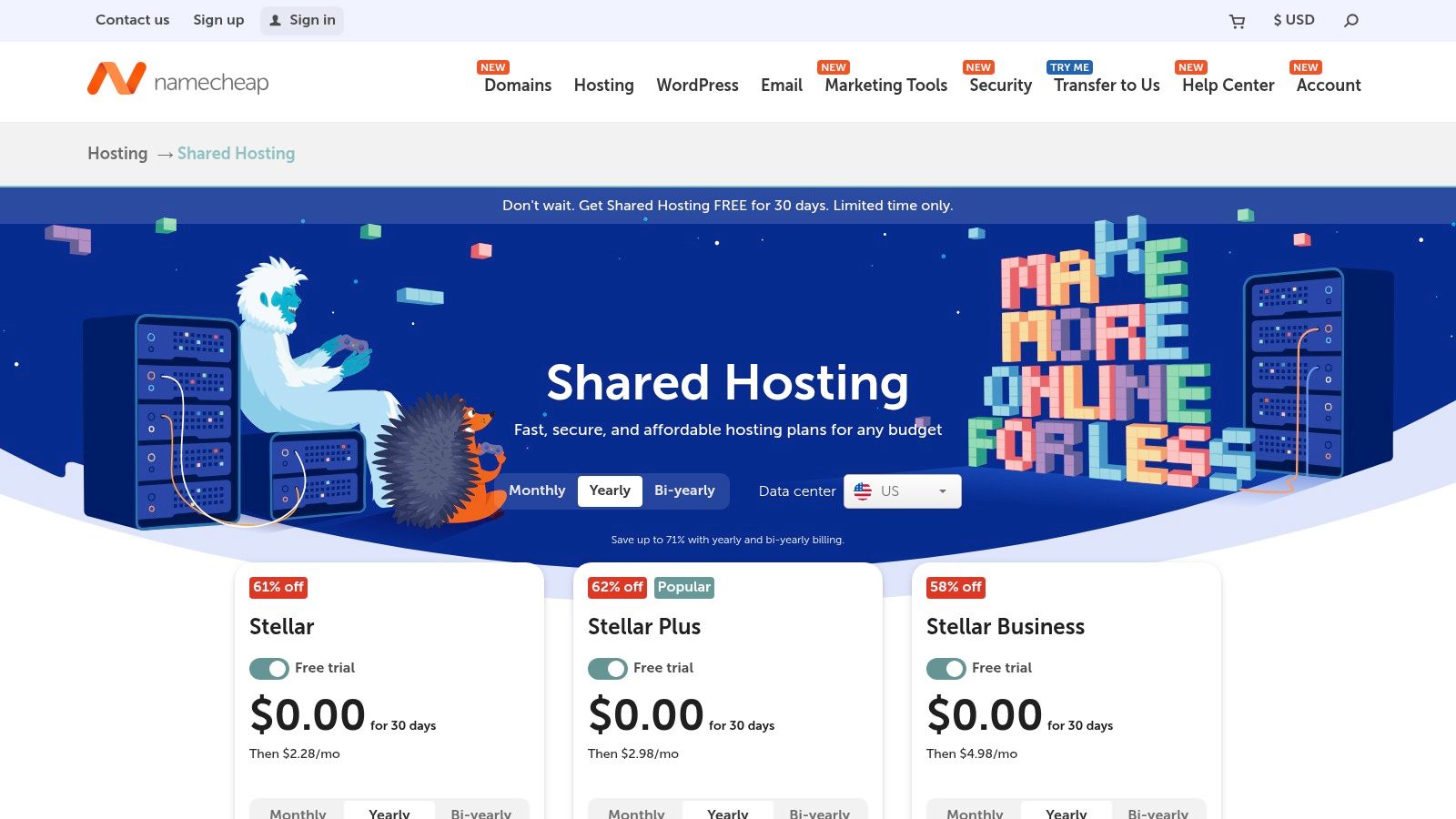
Namecheap's shared hosting plans combine cPanel, email, SSL and Softaculous application installation. Stellar Plus adds more website capacity and unmetered SSD storage, while higher shared tiers include AutoBackup.
Included email can make this package useful for a small business that would otherwise buy mailboxes separately. That benefit only counts when the mailbox service meets the business's requirements for access, administration and migration.
Backup Entitlement Can Determine the Tier
The entry plan's backup provision is the deciding boundary. A business that requires the higher-tier AutoBackup service should compare that tier's renewal cost from the outset. Calling Stellar the cheapest workable choice while budgeting for a capability it doesn't include would produce the wrong result.
- Capacity exposure: Website and storage limits can force an earlier upgrade.
- Offer exposure: Trial or promotional terms may differ from the continuing subscription.
- Workload exposure: Shared hosting isn't a substitute for a server environment that requires custom configuration.
A small brochure site may remain within the entry limits, while a freelancer maintaining several client sites may need a broader allowance immediately. The cheapest web hosting comparison covers nine shared hosts, giving budget-focused buyers a wider comparison set.
Namecheap's case is the included working bundle, particularly email and familiar administration tools. Its cost advantage should remain provisional until the renewal term and required backup tier are documented.
4. InMotion Hosting
InMotion Hosting's price advantage, if any, must survive the renewal quote. The available evidence doesn't establish a dated introductory and renewal pair, so a precise multi-year total would be speculative. Its clearest potential saving is reduced migration work, not a demonstrated lowest hosting bill.
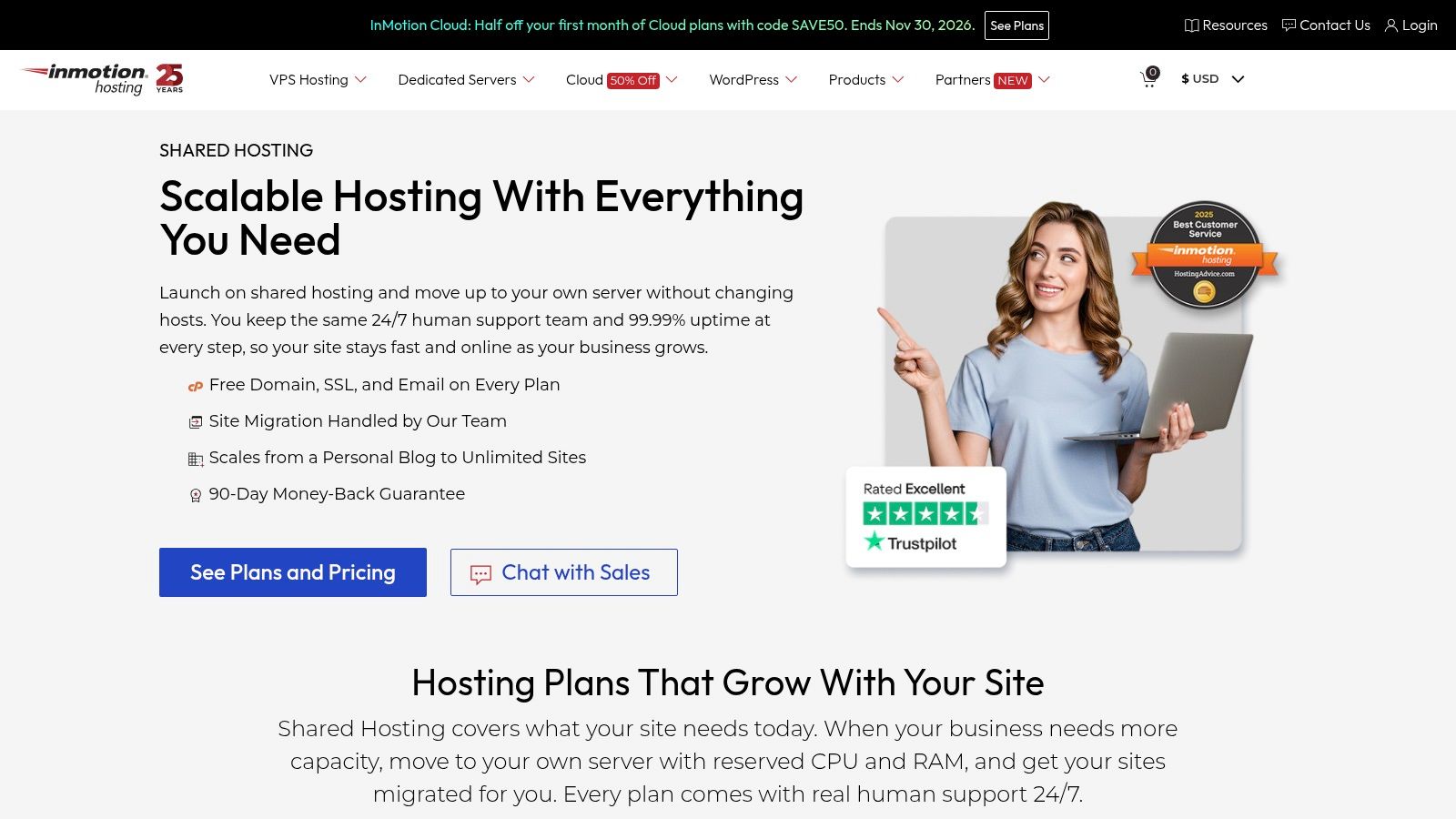
InMotion's shared hosting offer lists migration assistance, SSL and cPanel email, alongside an advertised 90-day money-back guarantee for shared hosting. Higher tiers add website capacity, storage and additional CPU or RAM resources.
Migration assistance deserves attention when a business already has a working site. Moving files is only part of the task: databases, DNS, mail routing, certificates and application settings also need a controlled transition.
Resource Limits Matter More Than Site Counts
The resource allowance is the limit most likely to change the purchase. A plan can permit several websites without providing the processing capacity their combined activity needs. Higher shared tiers may be suitable, but they still aren't dedicated compute.
A useful procurement comparison separates the costs into distinct categories:
- Transition cost: What migration assistance covers and what the business must still handle.
- Continuing cost: The selected tier's regular renewal bill.
- Capacity cost: The upgrade required if application activity exceeds the entry allocation.
A refund window can reduce the financial exposure of an unsuitable purchase, but it doesn't remove the operational work of switching again. Domain-related exclusions and other refund conditions also matter.
InMotion is worth considering for an established small-business site where migration assistance has practical value. That assistance should not conceal an unpriced renewal commitment, and a multi-site buyer should select the tier by combined workload rather than the advertised website allowance alone.
5. SiteGround
SiteGround StartUp has the clearest documented renewal jump in this selection. HostingGuider's 2026 renewal index, checked against pricing or renewal pages between September 25 and October 4, 2026, lists SiteGround StartUp rising from $2.99 to $17.99 per month, a 502% increase. These are the index's dated observations, not a separate November price verification.
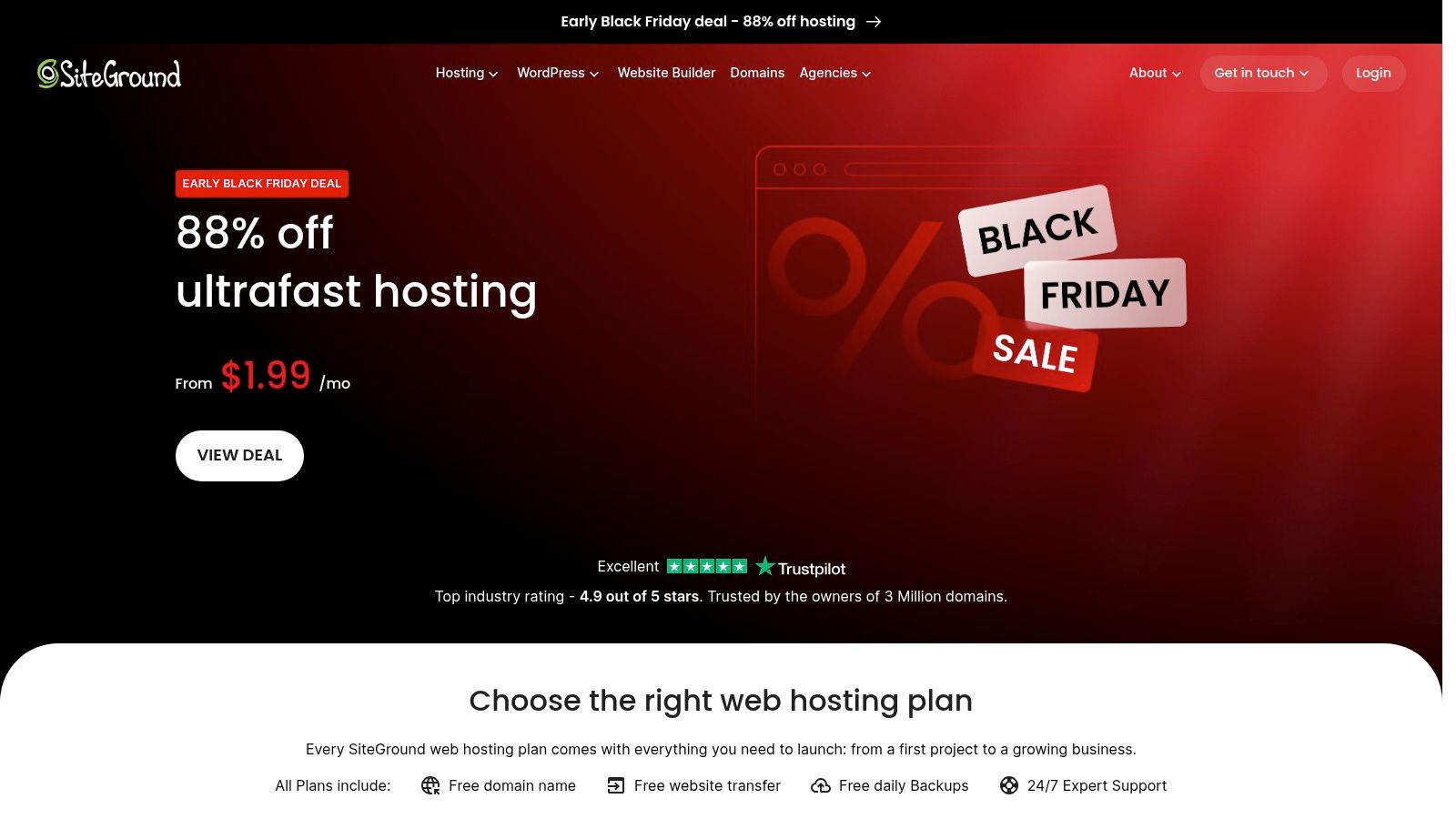
The renewal figure should lead the buying decision because it represents the cost of remaining after the promotion. A business that can afford the introductory term but not the regular bill hasn't found a sustainable hosting plan.
SiteGround's shared hosting plans list WordPress migration tools, managed updates, SSL, CDN, daily backups and email; StartUp is limited to one website. GrowBig adds staging and on-demand backups, making the relevant comparison dependent on the maintenance workflow as well as capacity.
Maintenance Must Justify the Continuing Bill
The website allowance is the plan boundary that can invalidate the entry quote. A buyer maintaining multiple production sites needs a different tier, so StartUp's price is no longer the relevant benchmark. A buyer needing staging should likewise price the plan that includes it.
Cost interpretation: Managed updates and daily backups have value when they replace work or separate purchases. They don't make a sharp renewal increase disappear.
SiteGround is a conditional choice for businesses prioritizing WordPress maintenance convenience over the lowest recurring bill. The hosting renewal price guide is useful for comparing that continuing commitment.
Budget-focused buyers should evaluate the regular rate first, then decide whether the maintenance services justify it. Starting with the promotional discount reverses that decision.
6. Bluehost
Bluehost's billing period can materially change the ongoing cost. Tremhost's 2025 pricing comparison lists Bluehost Basic at $15.99 per month on monthly billing, against a $7.99 monthly-equivalent annual renewal rate, with an introductory $2.95 monthly equivalent on a one-year signup; an exact checking date isn't stated. Those historical Basic figures aren't a verified quote for the current entry plan.
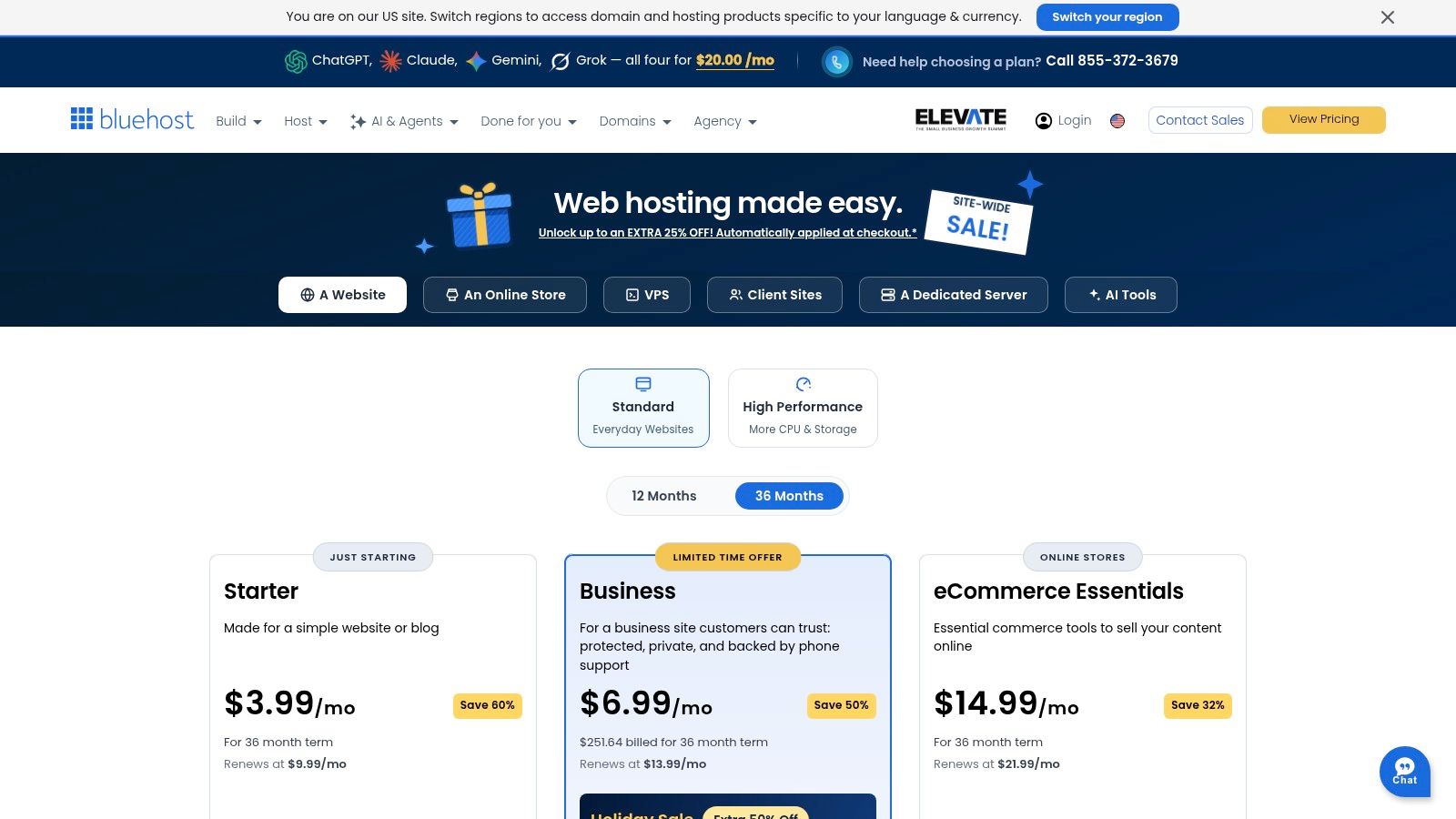
The useful conclusion is narrower than a current-price ranking: monthly flexibility and the lowest monthly equivalent are different purchases. A business conserving cash at signup may accept a higher continuing rate, while an annual commitment can reduce the equivalent rate but increase the immediate payment.
Bluehost's pricing page lists WordPress-oriented creation tools, managed updates, SSL, CDN, migration tools and weekly backups, with a 30-day hosting money-back guarantee. Higher tiers add staging, storage and ecommerce capabilities.
The Refund Deduction Can Change Exit Cost
The domain-related refund condition is the fee to inspect. A qualifying introductory domain benefit can still involve a non-refundable domain charge when hosting is cancelled. Hosting refunds and complete recovery of the original payment aren't necessarily the same outcome.
- For a simple site: Setup tools may remove the need for a separate builder.
- For a business workflow: Staging requirements can make a higher tier necessary.
- For procurement: The exact plan name matters because historical Basic pricing cannot automatically price a newer Starter offer.
Bluehost belongs on a beginner-oriented shortlist, but the purchase should be judged on the selected term's renewal rate and cancellation conditions. Convenient setup doesn't settle the long-term cost comparison.
7. WordPress.com
WordPress.com requires a different cost comparison because it bundles managed WordPress operation rather than general-purpose shared hosting. A dated starting and renewal price pair isn't established here, so its position isn't evidence that it has the highest recurring bill. Its relevant total is the plan that supports the site's actual plugins and business functions.

WordPress.com's hosting service handles hosting, updates, security and backups, and provides a guided migration route for existing WordPress sites. Paid plans also advertise SSL and introductory domain benefits, while higher tiers add storage and business capabilities.
This arrangement can reduce routine administration for a business without an internal WordPress operator. It doesn't provide an arbitrary server configuration, so buyers needing a custom application environment should not compare it as though it were interchangeable with a VPS.
Required Capabilities Set the Real Starting Plan
Plugin and business-feature eligibility is the decisive limit. The cheapest paid tier isn't the workable starting tier if the site needs capabilities available elsewhere in the range. That distinction matters more than a low headline rate.
A consultant's publishing site, a booking business and a store can all use WordPress while needing different tools. Each should be priced against the plan that supports its workflow, with the chosen billing period held constant.
- Included operational value: Provider-managed maintenance can replace some recurring technical work.
- Plan exposure: Required business capabilities may push the purchase above the entry tier.
- Configuration boundary: WordPress-specific hosting isn't general-purpose server access.
WordPress.com is a candidate for buyers who value fewer maintenance responsibilities and accept the platform's plan boundaries. Its cost should be compared with a maintained WordPress setup, not merely with an unmanaged hosting invoice that leaves the same work to somebody else.
Entry plan features, backups and renewal terms for seven web hosts
| Item | Hosting Type | Backups | Free SSL | Renewal Pricing |
|---|---|---|---|---|
| Hostinger | Shared; cloud upgrade available | Weekly on Premium; daily on higher tiers | Yes, on listed plans | Higher than introductory pricing |
| DreamHost | Shared, managed WordPress, and VPS | Automated backups on shared hosting | Yes | Higher than promotional pricing |
| Namecheap | Shared | AutoBackup on higher tiers | Yes | Check current renewal terms |
| InMotion Hosting | Shared | Not specified | Yes | Higher than introductory pricing |
| SiteGround | Shared | Daily; on-demand on GrowBig | Yes | Substantially higher at renewal |
| Bluehost | Shared | Weekly on listed plans | Yes | Higher than introductory pricing |
| WordPress.com | Managed WordPress | Managed by provider | Yes, on paid plans | Varies by plan and billing period |
Choose the Plan You Will Still Pay for in Year Three
The lowest sustainable total matters more than the largest introductory discount. Add the introductory charge for the complete term purchased, then add the monthly renewal or regular rate multiplied by 12 for each later year the site is expected to remain. Rankozo uses that method for its multi-year hosting totals.
A long prepaid term needs separate treatment. If it extends beyond the planning horizon, the buyer should record the full cash commitment rather than pretend the unused period wasn't purchased. A monthly equivalent is a comparison unit, not necessarily the amount charged at checkout.
Compare the Working Setup, Not the Bare Plan
Starting price means the cheapest published paid plan, but the cheapest workable plan may be a higher tier. Units and billing periods must match before offers can be compared fairly. A per-site purchase, a multi-site account and a managed platform subscription don't automatically provide the same scope.
The final total should include the services the business will retain:
- Recovery: Appropriate backup frequency, retention and a usable restoration process.
- Identity and communication: Domain renewals and permanent email requirements.
- Capacity: Enough permitted sites, storage and processing resources.
- Operations: Migration, maintenance and any required business capabilities.
Reliability also deserves a separate assessment. A 99.9% uptime commitment permits approximately 8.76 hours of downtime annually, while 99.99% permits about 52.6 minutes, according to Elite Content Marketer's hosting statistics summary. Neither percentage alone establishes recovery quality or compensation for business interruption.
The available prices support a clear warning about renewal exposure, but they don't support a complete numerical ranking of every host. Missing renewal quotes should remain missing, not be replaced with estimates that make an incomplete comparison appear precise.
Use Rankozo's hosting cost guides to narrow the shortlist, then record the selected vendor's checkout term, renewal amount and required add-ons before committing. Choose the lowest complete total that includes the backups, SSL and site limits the business needs, and retain the dated pricing record for the next renewal review.
Questions or corrections: editorial@rankozo.com